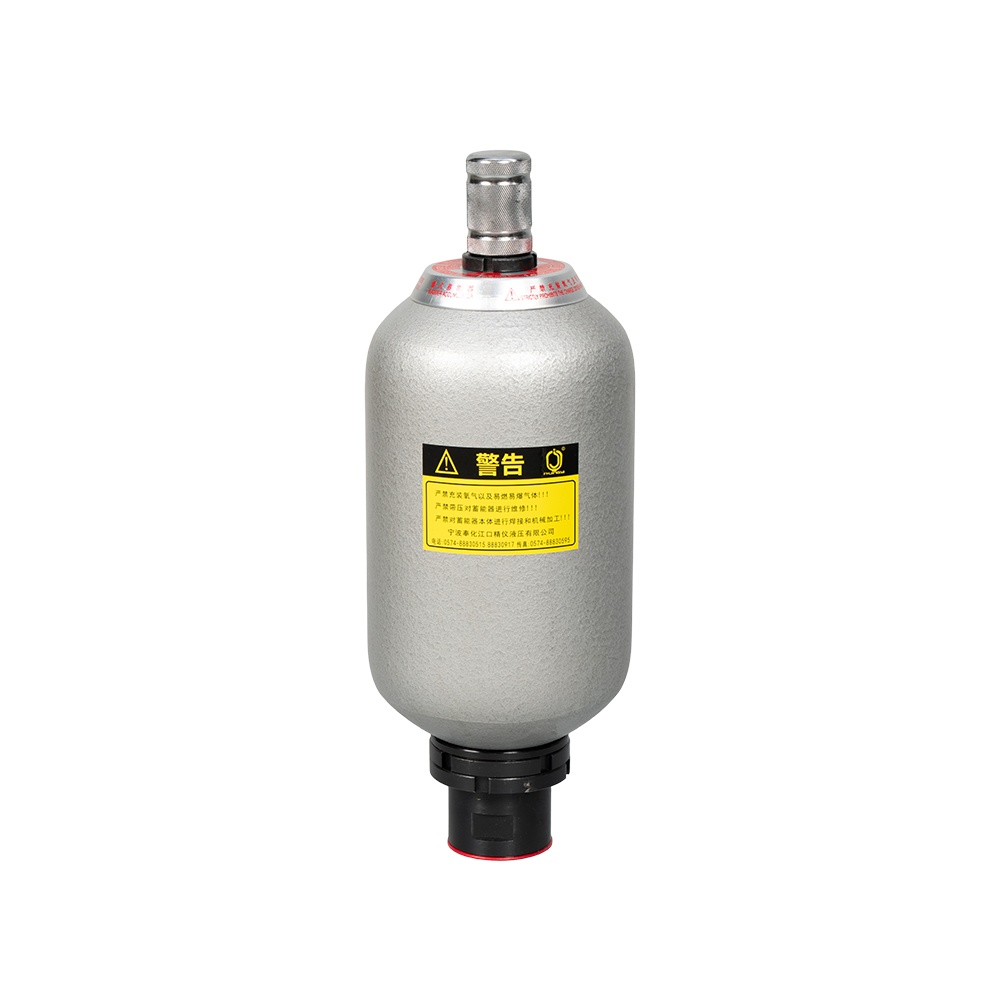
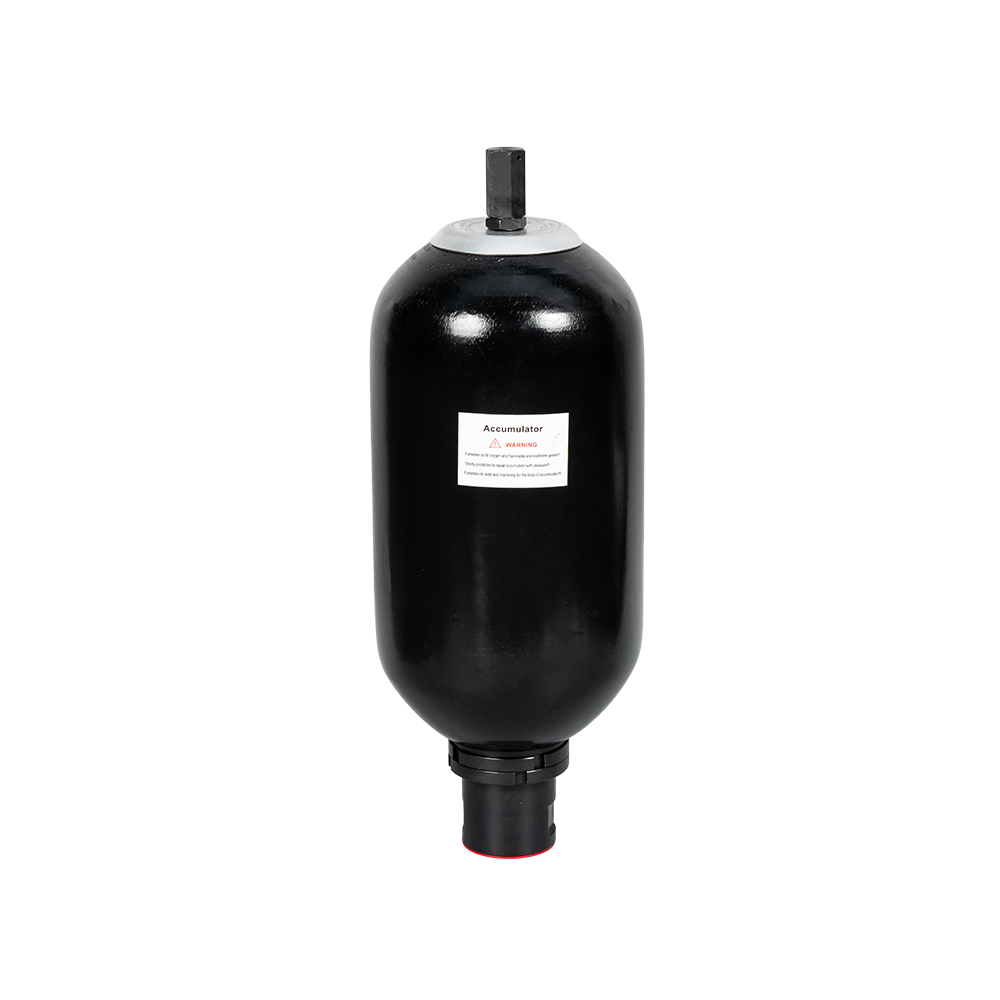
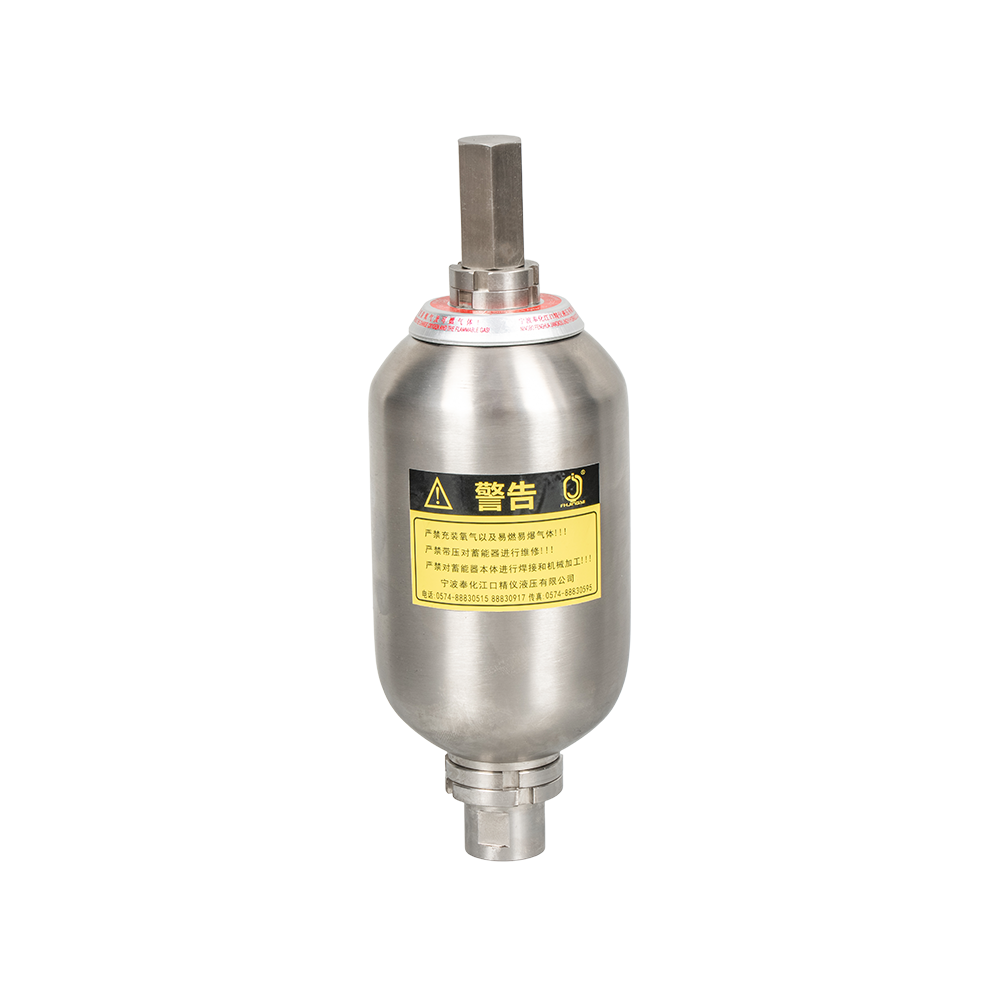
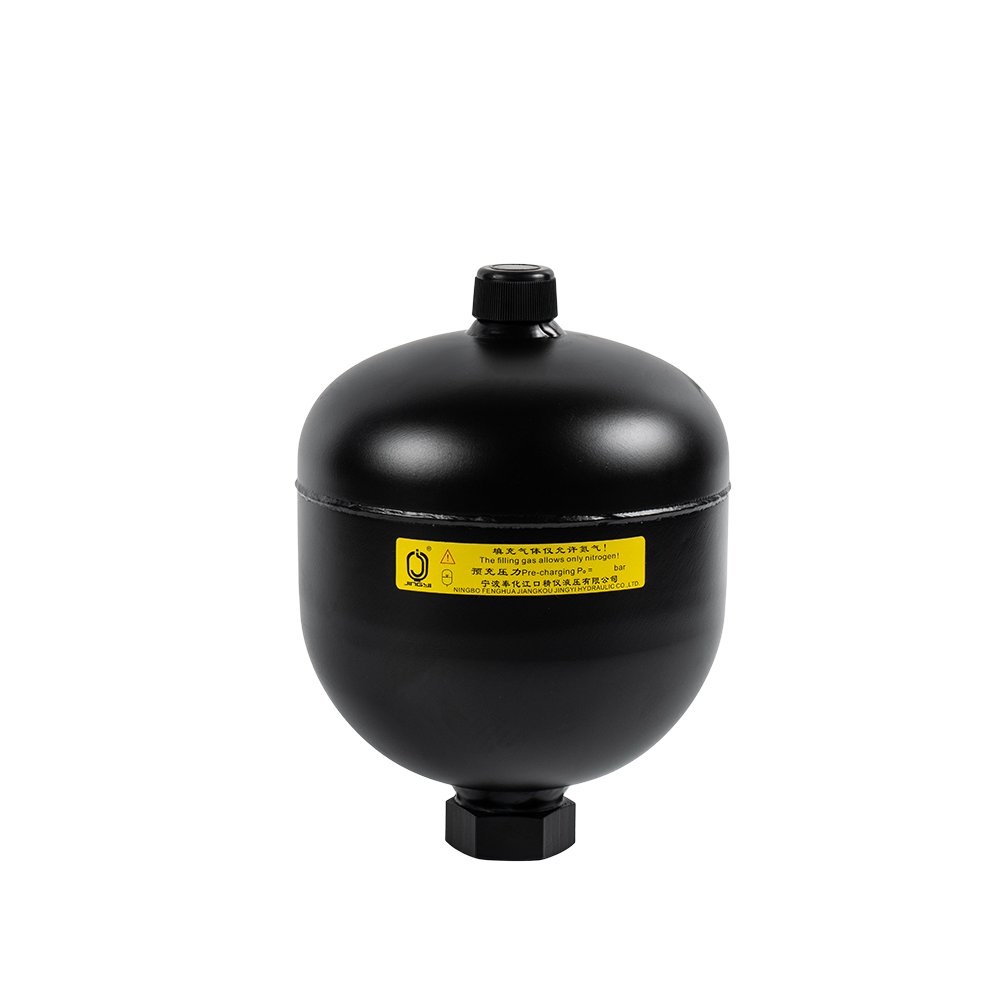
What Is an Energy Storage Accumulator
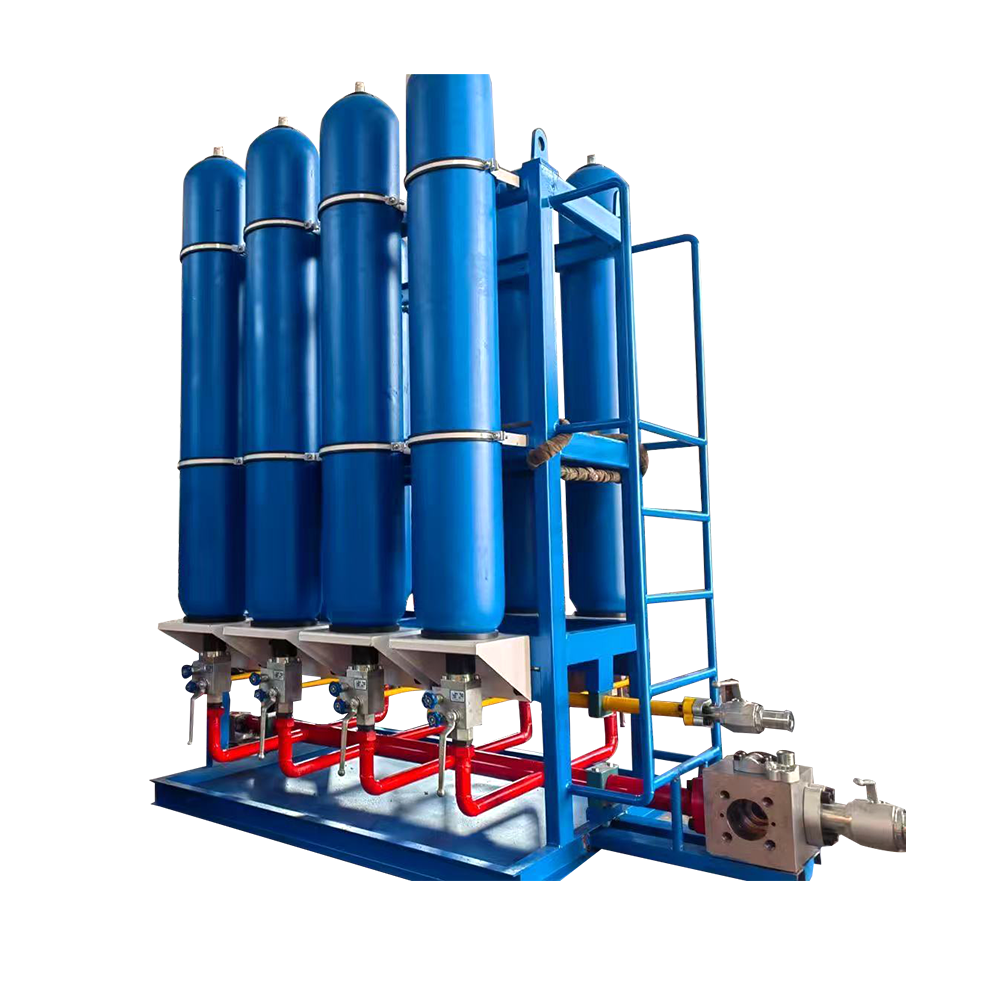
An Energy Storage Accumulator is one of the most critical Hydraulic System Components, designed to store and release pressurized hydraulic energy on demand. By using a compressible gas or an elastic element, it temporarily holds energy from the hydraulic fluid and discharges it instantly when the system requires extra flow or pressure support. It works alongside other Hydraulic Power Components such as pumps, valves, and cylinders to compensate for flow fluctuations, absorb pressure shocks, and maintain stable system pressure.
Common configurations include bladder-type, piston-type, and diaphragm-type accumulators, each offering different response speeds, volumetric efficiency, and pressure ranges, so the right type should always match the actual operating conditions.
How It Works
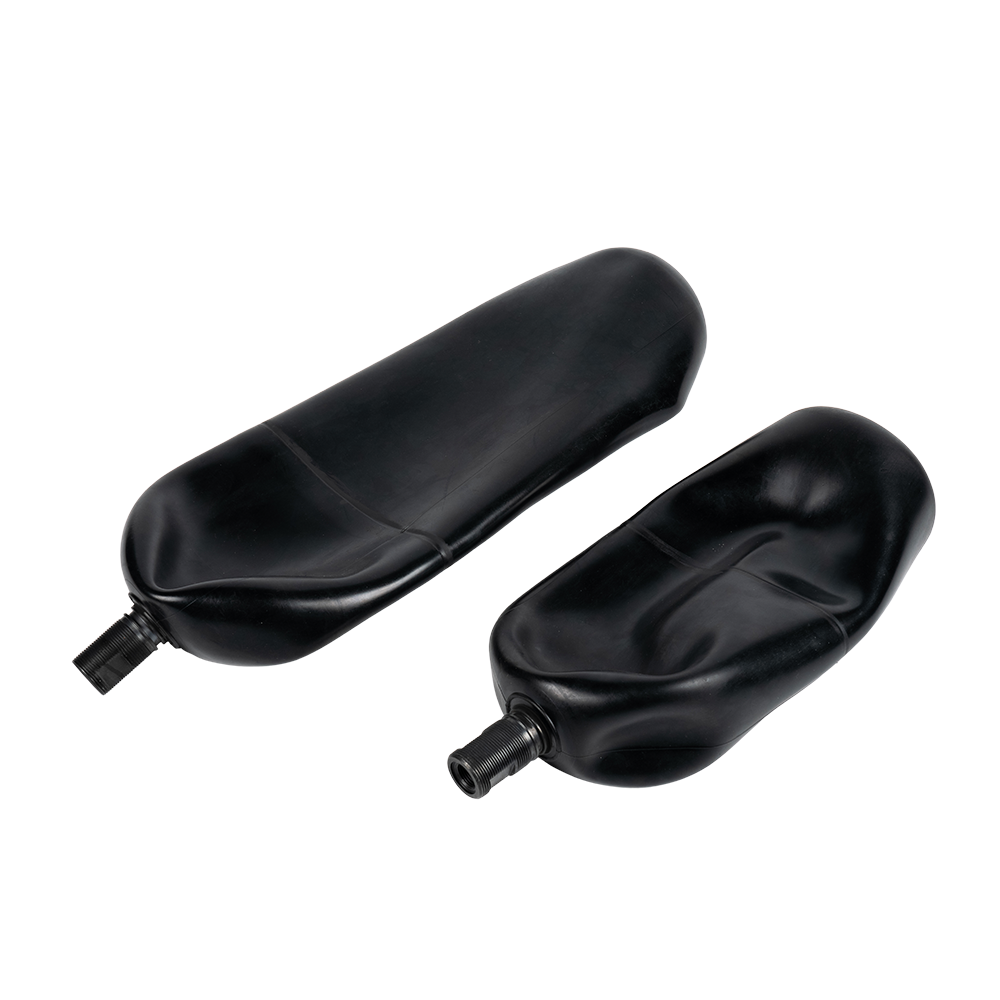
Inside an Energy Storage Accumulator, nitrogen gas is typically pre-charged as the compression medium, separated from the hydraulic fluid by a piston, bladder, or diaphragm. As system pressure rises and fluid flows in, the gas is compressed and energy is stored as gas pressure. When system pressure drops or a sudden flow demand occurs, the gas expands and pushes the fluid back out, releasing the stored energy to balance the pressure difference.
Typical Operating Stages
- Charging stage: the pump delivers fluid and the gas is gradually compressed
- Storage stage: system pressure stabilizes while the gas remains compressed
- Discharge stage: the gas expands and outputs fluid during a pressure drop or sudden load increase
Core Advantages and Type Comparison
A properly sized Energy Storage Accumulator can reduce overall system energy consumption by 15% or more while significantly extending pump service life. Its main advantages fall into four areas: pressure compensation, energy recovery, shock absorption, and emergency supply.
Performance comparison of three mainstream accumulator types
| Type |
Response Speed |
Pressure Range |
Typical Use |
| Bladder-type |
Fast |
Medium-high |
Pulsation damping |
| Piston-type |
Moderate |
High |
Large-volume energy storage |
| Diaphragm-type |
Fast |
Low-medium, small volume |
Small-system pressure stabilization |
Selection and Safety Considerations
When choosing an Energy Storage Accumulator and matching Hydraulic Power Components, key factors include rated pressure, effective volume, pre-charge gas pressure, and the shell material's pressure rating. As a pressure vessel, the accumulator's safety depends directly on the manufacturer's certification level.
Ningbo Fenghua Jiangkou Jingyi Hydraulic Co., Ltd. is located in Xikou Town, Fenghua District, Ningbo City, Zhejiang Province, and is a national high-tech enterprise specializing in hydraulic and pneumatic components, with core products covering various accumulators, hydraulic parts, and pneumatic components. The company holds the Special Equipment Manufacturing License (Grade A2 for Pressure Vessels) issued by the Zhejiang Administration for Market Regulation and has obtained EU CE certification, giving it professional manufacturing qualifications for high-pressure accumulators and access to international markets. Its products have been applied across multiple fields and exported overseas.
Routine Maintenance Tips
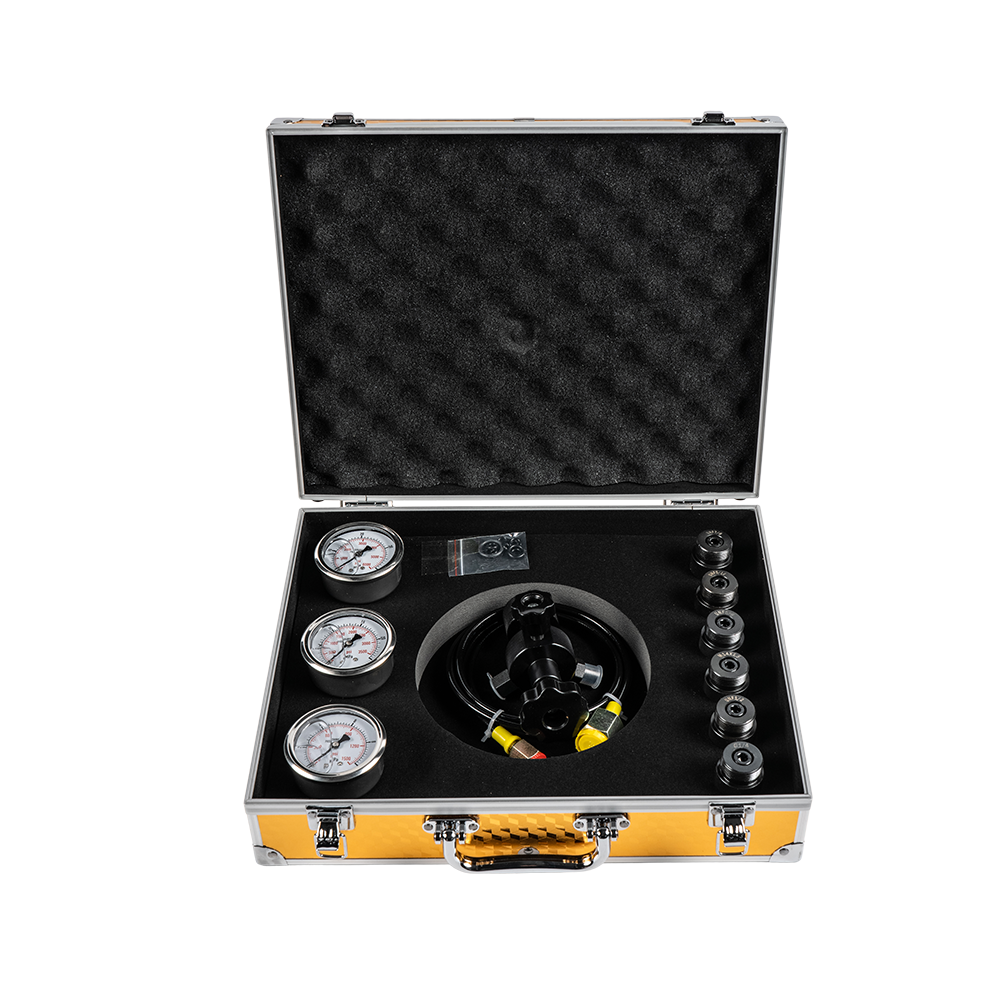
- Check pre-charge gas pressure regularly to avoid long-term deviation from design values
- Inspect the bladder or diaphragm seal condition to prevent gas leakage
- Follow periodic inspection requirements for pressure vessels
Frequently Asked Questions
Q1: How often should the pre-charge pressure of an Energy Storage Accumulator be checked?
It is generally recommended to check every 3 to 6 months, with shorter intervals for high-frequency applications.
Q2: Can an accumulator replace a hydraulic pump?
No. An accumulator is an energy storage element and cannot provide continuous flow on its own; it must work together with a pump to keep the system running stably.
Q3: How is the required accumulator volume estimated during selection?
Effective volume is typically calculated based on peak flow demand, allowable pressure fluctuation range, and pre-charge pressure, using isothermal or adiabatic process formulas, with a reasonable safety margin added.
Q4: Does manufacturing a high-pressure accumulator require special qualifications?
Yes. High-pressure accumulators fall under pressure vessel regulations, so manufacturers need the appropriate special equipment manufacturing license and relevant international certifications to enter overseas markets.